The Truth About the P Series Xled 2017: Pros, Cons, and Verdict
The search for the ideal 4K TV can be daunting, especially with so many models touting advanced features and vivid displays. In 2017, the Vizio P Series Xled lineup made headlines by promising high-performance visuals at a price point that undercut many competitors. This article dives deep into the P Series Xled 2017, providing a comprehensive analysis—including real-world applications, strengths, weaknesses, and everything buyers typically care about—to separate the hype from reality. Whether you’re a movie enthusiast, a gamer, or just someone looking to upgrade your home entertainment system, this review delivers the unbiased information you need to decide if Vizio’s P Series Xled 2017 deserves a spot in your living room.
Introduction to the P Series Xled 2017
The Vizio P Series Xled 2017 marked a significant leap forward for Vizio in the fiercely competitive 4K TV market. Xled in Vizio’s terminology refers to their full-array local dimming LED technology, aimed at delivering deeper blacks, brighter highlights, and better contrast—especially when compared to traditional edge-lit panels. These TVs were especially marketed toward users seeking the performance of higher-end models like those from Samsung and Sony, but without the ultra-premium price tag.
But beyond the marketing jargon, how does the P Series Xled 2017 fare in real-world user scenarios? Let’s break down its features, performance, and the overall value it provides in 2026, nearly a decade after its initial release.
Product Review and Analysis
Design and Build Quality
The P Series Xled 2017 is decidedly minimalistic, with thin bezels and a sturdy stand. While it lacks the ultra-slim appeal of OLED or newer QLED models, its build feels substantial and practical. The chassis is composed of solid plastic and metal, with rear-facing inputs that may require some cable management finesse in wall-mount situations.
Picture Quality
Arguably the cornerstone feature, the Xled 2017’s full-array backlighting translates to excellent contrast. With up to 128 local dimming zones (depending on screen size), it delivers profound blacks and minimal blooming—meaning bright objects against dark backgrounds retain clarity and depth, a boon for cinematic content lovers.
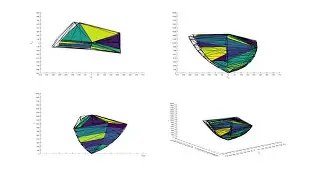
Color accuracy is solid, enhanced by support for Dolby Vision, HDR10, and HLG. While it doesn’t achieve the perfect blacks of OLED panels, for a 2017 LED TV it’s highly competitive in this segment, rivaling even newer mid-tier models in this regard. Brightness peaks around 600-700 nits, sufficient for most living rooms and HDR content.
Looking for the best TVs & Home Theater deals on Amazon?
View Offers →Motion Performance and Gaming
Sports fans and gamers will appreciate the P Series Xled’s low input lag—measured at approximately 15-20ms in Game Mode. Fast action sequences remain smooth, albeit with some minimal judder and blur in the most demanding scenes, typical of 60Hz native panels. The TV does support motion interpolation, which can help, but some users may prefer to disable it for a more "film-like" feel.
Smart TV Interface
Vizio opted for its SmartCast platform in the 2017 P Series. Instead of traditional remote-driven OS navigation, SmartCast relies heavily on casting apps from smartphones or tablets. This approach streamlines integration with streaming services (like Netflix, Hulu, YouTube, and more), but can feel unintuitive to users expecting a standard TV interface. In real-world use, many owners end up supplementing with a dedicated streaming device (e.g., Roku, Fire TV) for greater app variety and responsiveness.
Audio Performance
As is standard with most flat-panel TVs, onboard speakers deliver adequate day-to-day sound, but don’t expect cinematic audio. Dialogue is clear, but bass is limited, and the maximum output can struggle in larger rooms. For movie nights or immersive gaming, pairing with a soundbar or surround system is nearly essential.
Connectivity
The P Series Xled 2017 is well-equipped, offering four HDMI ports (with HDMI 2.0a for 4K HDR support), USB, Ethernet, optical audio out, and component/composite inputs. Built-in Wi-Fi and Chromecast support round out its connectivity, covering most home theater setups comfortably. However, lack of HDMI 2.1 means you won’t get features like variable refresh rates or ALLM (Auto Low Latency Mode) found in newer TVs—something for current-gen gamers to note.
Comparison Table: P Series Xled 2017 vs. 2017 Competition
| Feature | Vizio P Series Xled 2017 | Samsung Q7F QLED 2017 | Sony X900E 2017 | LG SJ8500 2017 |
|---|---|---|---|---|
| Panel Type | Full Array LED | Edge-lit QLED | Full Array LED | Edge-lit LED |
| Local Dimming Zones | Up to 128 | None | Up to 60 | None |
| HDR Formats | Dolby Vision, HDR10, HLG | HDR10, HLG | Dolby Vision, HDR10 | Dolby Vision, HDR10 |
| Peak Brightness | ~700 nits | ~1500 nits | ~1000 nits | ~500 nits |
| Smart TV Platform | Vizio SmartCast | Samsung Tizen | Sony Android TV | LG webOS |
| HDMI Ports | 4 (HDMI 2.0a) | 4 (HDMI 2.0a) | 4 (HDMI 2.0a) | 4 (HDMI 2.0a) |
| Native Refresh Rate | 60Hz | 120Hz | 120Hz | 120Hz |
| Gaming Input Lag | ~15ms | ~25ms | ~32ms | ~20ms |
| Approximate Price at Launch | $1,300 (65") | $2,500 (65") | $1,600 (65") | $1,300 (65") |
Pros & Cons
- Pros
- Excellent contrast and black levels thanks to full-array local dimming
- Comprehensive HDR support (Dolby Vision, HDR10, HLG) for a vivid viewing experience
- Low input lag ideal for gaming
- Competitive price for the performance level at launch
- Sturdy build and solid port selection
- Cons
- SmartCast interface can frustrate users who prefer traditional smart TV platforms
- Audio quality is average; recommend external speakers for best results
- No support for newer HDMI 2.1 features (e.g., VRR, ALLM)
- Peak brightness, though good, lags behind top QLEDs and modern OLEDs
- Limited app selection and some streaming apps require external devices for best experience
Buying Guide: Is the P Series Xled 2017 Still Worth It?
Who Should Consider It?
The P Series Xled 2017 remains a compelling option for specific buyers, even as technology advances and new models dominate retailers’ showrooms. Buyers who value local dimming for deep blacks and strong HDR, and those content with adding an external streaming device for smart features, will find it a useful centerpiece for movies and gaming. Its low input lag and solid color make it a good choice for console gamers and sports fans who don’t require 120Hz support or HDMI 2.1’s latest benefits.
Looking for the best TVs & Home Theater deals on Amazon?
View Offers →Who Should Look Elsewhere?
If you’re looking for future-proof features like variable refresh rates, native 120Hz at 4K, or a modern smart TV OS with robust app stores and voice assistants, newer TVs—especially in the QLED and OLED lineups from 2020 onward—are better suited. Additionally, if top-tier peak brightness is crucial (such as for very brightly lit rooms), higher-end QLEDs or the latest Mini-LED models will be preferable.
What Buyers Typically Care About
- Picture Quality: Deep blacks, vibrant color, good HDR
- Gaming: Low input lag, smooth motion (note: max 60Hz)
- Ease of Use: Some SmartCast limitations; best with streaming stick
- Audio: External speakers highly recommended
- Longevity: Reliable for years, but no newer HDMI/game features
- Price/Value Ratio: Excellent on the used/refurbished market
Conclusion
The Vizio P Series Xled 2017 remains an impressive performer considering its vintage. Its strengths in contrast, black levels, and HDR support continue to deliver satisfying image quality for movie nights or next-gen console gaming at 4K/60. However, some limitations—particularly the SmartCast interface quirks, subpar speakers, and absence of HDMI 2.1—keep it from being an all-in-one solution for the most demanding buyers.
For value-conscious consumers, especially those who prioritize picture quality and can supplement the smart TV interface with an external streamer, the P Series Xled 2017 still makes sense as a reliable core for home entertainment. For those seeking the very latest gaming features, cutting-edge smart apps, or the deepest blacks of OLED, newer competitors will provide tangible benefits. Ultimately, the P Series Xled 2017 bridges the gap between affordability and high performance, and understanding its strengths and weaknesses ensures buyers enter with eyes wide open.