The Real Truth: Final Ze300 or Marshall Middleton Ii?
Choosing between the Final Ze300 and the Marshall Middleton Ii is a familiar crossroads for listeners who want compact in-ear monitors with distinct personalities. Both models appeal to buyers who value design and sonic identity, but they answer different priorities: one leans toward clarity and detail, the other toward musicality and character. This article examines each product in detail, lays out clear pros and cons, offers a head-to-head comparison, and provides a practical buying guide so readers can decide which IEM suits their real-world needs.
Introduction
In-ear monitors (IEMs) are no longer niche accessories; they are the primary listening device for many commuters, gamers, studio engineers on a budget, and audiophiles who prefer a portable solution. When evaluating two compelling options like the Final Ze300 and the Marshall Middleton Ii, buyers typically consider sound signature, comfort, isolation, build quality, cable and connector preferences, and how the earphones perform with common sources such as smartphones, portable music players, and desktop DAC/amps. This comparison focuses on practical outcomes: how each model performs in daily life rather than only technical sheet comparisons.
Final Ze300 — Detailed Review and Analysis
The Final Ze300 positions itself as an IEM that highlights clarity, imaging, and a polished treble. It often appeals to listeners who favor instrumental separation and a relatively neutral presentation with a hint of analytical refinement. The design language is minimal and modern, reflecting Final's Japanese design ethos.
Sound Signature and Performance
The Ze300’s presentation emphasizes midrange clarity and treble detail. Vocals and acoustic instruments generally sit forward and well-defined, making the Ze300 suitable for genres where separation matters, such as classical, jazz, and acoustic singer-songwriter material. The treble extension provides air and sparkle, which is beneficial for discerning textures in cymbals and string attacks.
Bass on the Ze300 tends to be controlled rather than exaggerated. Low-end impact is present and clean but prioritizes accuracy over sheer punch. This makes the Ze300 less flattering for bass-heavy electronic music if a listener prefers sub-bass slam, although it will reveal layering and detail in complex mixes.
Fit, Comfort, and Isolation
Fit and seal are important with the Ze300 because its clarity depends on a good coupling to the ear canal. With a selection of foam and silicone tips, many listeners achieve an effective seal and extended wearing comfort. Isolation is solid for commuting and office use, though not fully passive in noisy subway environments; louder surroundings may still bleed in.
Build and Accessories
The Ze300 typically ships with a set of tips and a modest carrying case. Cables and connectors are often designed for daily portability and convenience. Build quality usually skews toward refined plastics and lightweight housings that balance durability with comfort for multi-hour listening sessions.
Real-World Use Cases
- Commuters who prioritize clarity for podcasts and spoken-word content.
- Casual mixing or reference listening for people who need neutral-ish reproduction on the go.
- Listeners who prefer acoustic music and want instrument separation without heavy bass emphasis.
Pros & Cons
- Pros: Detailed mids and treble, excellent imaging, comfortable for long sessions with the right tips.
- Cons: Bass is controlled rather than powerful; less suitable for bass-forward listeners; may require careful tip selection for optimal seal.
Marshall Middleton Ii — Detailed Review and Analysis
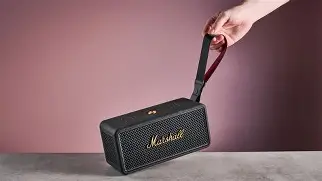
The Marshall Middleton Ii arrives with a visibly different identity: a design nod to rock heritage, often paired with a sound signature that prioritizes warmth and musical engagement. Marshall's approach targets listeners who want an emotive, punchy experience rather than studio neutrality.
Shop the latest Audio & Headphones picks on Amazon.
Shop Amazon →
Sound Signature and Performance
The Middleton Ii typically emphasizes low-end presence and midrange warmth. Bass tends to be fuller, providing more impact for modern pop, hip-hop, and rock tracks. Mids are often rich and forward, which gives vocals and electric guitars a satisfying body. Treble is present but generally tamed to avoid brightness, which contributes to a relaxed listening experience.
Because of its musical tilt, the Middleton Ii can make casual listening more enjoyable for many people—it enhances rhythm and groove at the expense of some analytical detail. Imaging may be slightly less precise than the Ze300, but the trade-off often results in a more engaging presentation for leisure listening.
Fit, Comfort, and Isolation
Marshall tends to design for comfort and lifestyle use. The Middleton Ii’s housings are often sculpted to stay put during movement, and tip choices can improve long-term comfort. Isolation is generally good for daily use, though, like most non-custom IEMs, it will not be as isolating as a full over-ear headphone with ANC.
Build and Accessories
Build materials and styling reflect Marshall’s brand identity—some models include textured finishes or signature aesthetic cues. Accessories commonly include multiple tips and a carrying pouch or case suited for pockets or bags. The Middleton Ii leans toward robust and lifestyle-oriented construction.
Real-World Use Cases
- Listeners who want energetic, bass-forward playback for pop, hip-hop, and EDM.
- Commuters and travelers who prefer a warm, forgiving sound that makes playlists feel lively.
- Casual gamers who appreciate punchy low-end and full-bodied mids for in-game music and effects.
Pros & Cons
- Pros: Rich midrange, satisfying bass impact, comfortable for lifestyle use, stylish design.
- Cons: Less analytical detail and imaging compared to more neutral IEMs; may sound colored for critical listening or mixing.
Comparison Table
| Feature | Final Ze300 | Marshall Middleton Ii |
|---|---|---|
| Sound Signature | Clarity-forward, detailed mids and treble, controlled bass | Warm, mid-centric, bass-forward, musical |
| Best For | Reference-style listening, vocals, acoustic and instrumental genres | Casual listening, pop/hip-hop/rock, listeners wanting more punch |
| Imaging & Detail | High; good separation and instrument positioning | Moderate; more focus on body and musical delivery |
| Bass Response | Controlled, accurate | Fuller, more impactful |
| Comfort & Fit | Comfortable with proper tip selection; lightweight | Designed for everyday wear and movement; secure fit |
| Isolation | Good with proper seal; not ANC | Good; typically slightly better passive isolation due to fit |
| Design & Aesthetics | Minimalist, refined | Heritage-inspired, bold styling |
| Who Should Avoid | Bass-heads seeking heavy sub-bass | Critical listeners seeking flat, studio-neutral sound |
How Buyers Typically Decide: Priorities and Pitfalls
Most buyers weigh the following factors when choosing between two IEMs like the Final Ze300 and the Marshall Middleton Ii:
- Sound Preference: Does the user prefer an accurate, revealing sound or a warmer, more musical presentation? That single question often resolves the decision quickly.
- Usage Scenario: Commuting, studio work, gaming, or casual home listening each demand different traits—battery-free portability favors both, but critical listening favors the Ze300 while on-the-go enjoyment favors the Middleton Ii.
- Source Device: Some phones and players handle neutral IEMs better than bass-forward ones; however, the Middleton Ii’s forgiving voicing is more source-agnostic for everyday devices.
- Comfort & Fit: Getting the right tip type is essential with either model. Foam tips can transform comfort and isolation for long sessions.
- Longevity: Build quality, replaceable cable options (if applicable), and warranty/support matter for long-term ownership.
Buying Guide: Choosing Between the Final Ze300 and Marshall Middleton Ii
This practical buying guide helps distill the choice into actionable steps.
Step 1 — Define Listening Priorities
If clarity, instrumental detail, and accurate vocal presentation matter most—prioritize the Final Ze300. If a rich midrange and stronger bass engagement that make playlists sound lively matter more—prioritize the Marshall Middleton Ii.
Discover deals on Audio & Headphones — updated daily.
View Offers →Step 2 — Match Use Case to Product
- For commuting and mixed-use listening: Marshall Middleton Ii often provides a more immediate feel and forgiving sound that performs well across genres and imperfect listening environments.
- For critical listening or analytical enjoyment at home or on quiet commutes: Final Ze300’s clarity and imaging will reward attentive listening.
- For gaming and media consumption: Preference depends on whether positional accuracy (Ze300) or immersive punch (Middleton Ii) is more valued.
Step 3 — Test Tips and Fit
Tip selection can dramatically change tonal balance and comfort. Buy or test with multiple silicon sizes and foam tips if possible. A poor seal will muddy bass and reduce perceived clarity on either model.
Step 4 — Consider Source and Amplification
Both IEMs will work with phones, but neutral IEMs sometimes benefit from a cleaner, higher-output source. Listeners who pair the Ze300 with older, low-output devices may find the Middleton Ii sounds fuller without additional amplification.
Step 5 — Evaluate Build and Practical Needs
Consider whether removable cables are important, how durable the housings feel, and whether the included accessories (case, tips) suit a particular lifestyle. For frequent travelers, a compact case and easy storage could be deciding factors.
Step 6 — Read Real-World Feedback
Look for user feedback that discusses long-term comfort, reliability, and sound changes over time. Buyer reviews and forum discussions often highlight useful, practical issues like cable durability and warranty responsiveness.
Practical Listening Tips
- Always run through several tip types before making a final judgement; foam tips typically increase bass and isolation, while silicone can emphasize clarity.
- Burn-in debates aside, focus on familiar tracks when comparing; songs with distinct vocals, drums, and bass lines expose differences quickly.
- Test at multiple volume levels. Some tonal imbalances only become obvious at low or very high listening levels.
Summary and Conclusion
Both the Final Ze300 and the Marshall Middleton Ii offer strong reasons to buy, but for different listener priorities. The Final Ze300 excels when clarity, instrumental separation, and a refined high-end are the goal. It rewards listeners who enjoy dissecting mixes and appreciating the nuances of recording. The Marshall Middleton Ii excels at delivering an immediate, musical presentation with satisfying bass and warm mids that make everyday listening engaging without demanding an analytical ear.
Ultimately, the decision comes down to taste and typical listening context. For those who prioritize reference-style fidelity and detail, the Final Ze300 is the logical choice. For those who want a lively, characterful sound that needs little equalization to be enjoyable, the Marshall Middleton Ii is the better fit. By aligning the selection process with real-world needs—commute vs. critical listening, source equipment, and comfort—buyers can choose the model that will serve them best in daily life.